How Much Does It Cost to Become a Certified Dive Instructor?
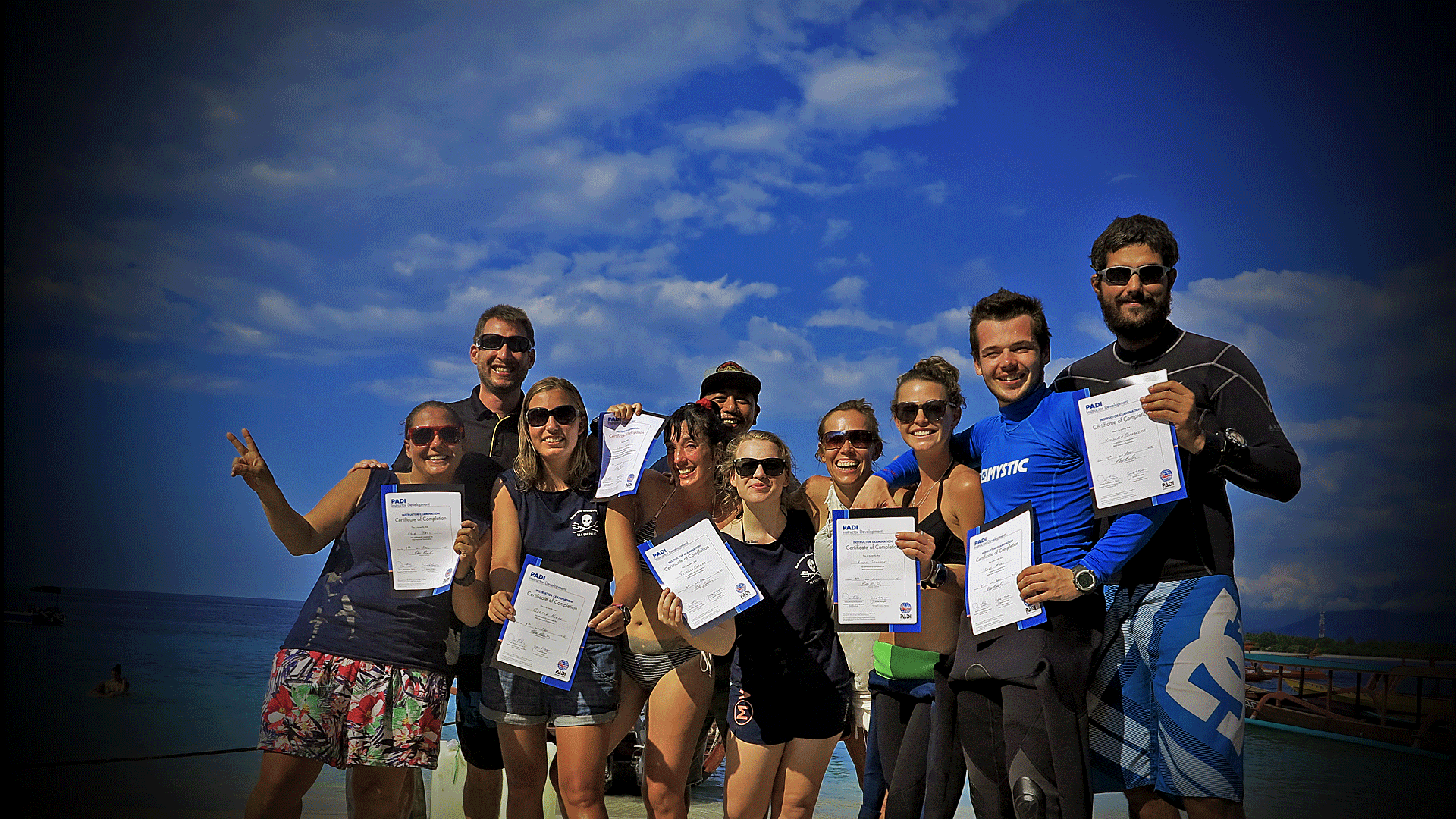
Many divers dream of turning their passion into a professional career. Becoming a certified dive instructor offers the chance to travel, teach, and work in marine environments around the world. However, one of the most common questions candidates ask is about the total investment required to reach instructor level.
The cost of becoming a dive instructor goes beyond basic course fees. There are expenses linked to the full certification pathway, instructor training programs, examination fees, and study materials. Hidden costs such as equipment purchases, membership renewals, and insurance should also be considered. Living expenses during training can add significantly to the total budget. This article breaks down each cost category to help you plan realistically and avoid financial surprises.
Overview of the Instructor Certification Pathway
Many candidates focus only on instructor training, but the journey starts much earlier. To become a certified dive instructor, you must complete several required certifications step by step. Each level builds skills, experience, and safety awareness before reaching professional status.
Required Certifications Before Instructor Level
The pathway begins with Open Water Diver certification. Next comes Advanced Open Water to expand dive experience. Rescue Diver training develops problem management skills. After that, Divemaster certification marks the first professional level and introduces leadership responsibilities.
Instructor-Level Training
Once prerequisites are complete, candidates enroll in an Instructor Development Course. This prepares them for the Instructor Examination. The total cost includes the entire certification pathway, not just the final instructor course.
Cost Breakdown Before Instructor Training
Before starting instructor training, candidates must budget for earlier certification stages. These costs can vary by location but are essential for reaching professional level.
Recreational Certifications
Each recreational course has its own fee. Open Water, Advanced Open Water, and Rescue Diver programs require payment for training, materials, and instructor time. Equipment rental may add to the total cost if you do not own personal gear.
Divemaster Program Costs
Divemaster programs involve professional training fees. Some candidates choose internship options, which may reduce direct course costs but require longer time commitments. Full course options often include structured classroom and water sessions.
Dive Experience Expenses
Candidates must complete fun dives to meet minimum requirements. Travel and accommodation during the dive-building phase can increase expenses. Starting from beginner level significantly raises the overall investment needed to reach instructor certification.
Instructor Development Course Fees
Instructor Development Course (IDC) fees are often the largest single expense in the professional pathway. However, the total price depends on what is included in the training package. Understanding these details helps candidates avoid unexpected costs later.
What the Course Fee Typically Covers
Most IDC fees include academic sessions that review dive theory and teaching standards. Confined water training is part of the program, where candidates practice demonstration-level skills. Open water teaching practice is also included to prepare for real student scenarios. Study materials, such as digital learning access or manuals, may be part of the package, but not always.
Examination Fees
In addition to course fees, candidates must pay for Instructor Examination registration. Certification processing fees are usually separate and paid directly to the training organization.
When evaluating total costs, many candidates compare the PADI Instructor course price across locations and training centers, especially for structured programs such as PADI IDC, which may vary depending on location, facilities, and instructor mentorship level. It is important to compare what is included in each course package, not just the headline price.
Equipment Investment Costs
Personal Dive Equipment
Basic personal gear includes a mask, fins, and regulator. A BCD and dive computer are also strongly recommended for professional-level training. These items are used daily during courses and teaching practice.
Professional Teaching Materials
Instructor manuals, slates, and teaching aids are additional professional tools. Quality equipment may require higher upfront cost, but it offers long-term value, durability, and reliability throughout your diving career.
Living Expenses During Training
Accommodation Costs
Shared housing is usually the most affordable option. Private rentals offer more comfort but increase monthly expenses. Prices often depend on season and proximity to dive centers.
Food and Daily Expenses
The local cost of living affects your overall budget. Daily meals, groceries, and small purchases add up over several weeks. Transportation, such as scooter rental or local travel, should also be included in planning.
Insurance and Miscellaneous Costs
Professional liability insurance is often required after certification. Visa fees and travel documents may also apply. Location significantly affects the total training budget.
Optional Additional Costs to Consider
Specialty Instructor Certifications
Advanced specialties, such as deep diving or enriched air, require additional course fees. Technical diving upgrades may also increase costs but expand career options.
Extra Dive Practice
Some candidates book additional training days or skill improvement dives before the examination. While optional, these investments can improve confidence and increase employability in competitive dive markets.
Return on Investment Considerations
Instructor Salary Expectations
Entry-level earnings can vary depending on location and dive center type. In some regions, income is seasonal and depends on tourist demand. New instructors may earn modest salaries at first while building experience and reputation.
Career Growth Potential
Over time, instructors can increase income by teaching specialty courses or moving into leadership roles such as senior instructor or course director. Experience often leads to better job opportunities.
Lifestyle Benefits
Travel opportunities and a flexible work environment attract many professionals. However, lifestyle rewards should be balanced with realistic pay expectations and long-term planning.
Start your professional diving journey today. “Step-by-Step Guide to Becoming a Professional Dive Instructor” shows each step clearly. It helps you prepare for training and long-term success.
Example of Instructor Training Environment
Professional Training Example
Business Name:
PADI IDC Gili Trawangan – Gili Islands – Indonesia
Address:
Main Beach Road, Gili Indah, Gili Trawangan, Kabupaten Lombok Utara, Nusa Tenggara Barat 83355
Phone:
+6282147850413
Overview:
Instructor development programs in Indonesia may operate under experienced Course Directors such as Holly Macleod, who has over 23 years of international experience and has certified approximately 3,500 instructors. Training environments like Blue Marlin Dive provide structured academic preparation, leadership development, and practical teaching experience beyond minimum certification standards. Programs focus on consistent evaluation, mentorship, and professional growth in real dive center settings.
Common Budgeting Mistakes Future Instructors Make
Underestimating Living Costs
Island locations often have pricing variations depending on season and demand. Accommodation, food, and transport may cost more than expected.
Ignoring Examination and Membership Fees
Examination registration and annual membership activation are sometimes treated as hidden administrative costs. These must be included in the total budget.
Not Planning for Emergency Funds
Unexpected expenses such as medical visits or equipment repair can arise. Proper financial planning reduces stress and allows full focus on training.
Planning Your Investment Wisely
Many divers are excited about becoming instructors but underestimate the total financial commitment involved. Becoming a certified dive instructor requires careful planning and realistic budgeting from the beginning.
Costs include the full certification pathway, instructor training fees, examination charges, equipment purchases, and living expenses during the course period. Comparing what each training program includes helps avoid unexpected payments later. Small overlooked costs can quickly increase the total investment.